
Podcast

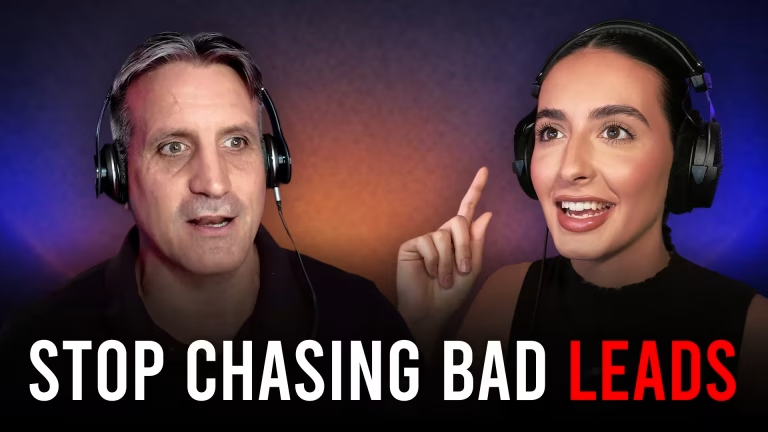
Would You Hire Yourself? The Test Most Founders Fail | ft. Blake Thompson

Chloe sits down with Blake Thompson, CEO and co-founder of Xrecruiter, who has helped hundreds of recruiters leave stable jobs and launch their own agencies across Australia, the US and Canada, on what actually separates the founders who compound from the ones who stall.

Ask most founders what they expect from their team and the answer comes fast. Discipline. Follow-through. A high standard that doesn’t drop when nobody is watching. Ask the same founders whether they would hire themselves back into their own business tomorrow, and the room goes quiet. That gap is the ceiling most founder-led businesses never get past.

Why The Gap Keeps Widening

Blake Thompson has walked hundreds of recruiters through the transition from employee to business owner. The pattern he sees most often is not a skill gap or a market gap. It is a standard gap. The founder who demands outbound calls from the team quietly skips their own. The founder who expects accountability from staff drifts into low-level busywork. The honest answer to “would you hire yourself” is usually no, and the business cannot scale past the person running it. Blake also sees the second compounding trap. Founders convince themselves they are building an asset when they are actually running a high-paying job inside a company structure. Both outcomes are legitimate. Pretending to build one while running the other is where founders burn out without ever realising why.

What Chloe And Blake Cover In This Episode

Blake is the CEO and co-founder of Xrecruiter and won the Startup category at the 2023 Brisbane Young Entrepreneur of the Year Awards. In this conversation, he and Chloe walk through the hire-yourself test every founder should run this quarter, why ego is the biggest destroyer of businesses in his data set, the 20-year veteran who refused advice and closed without a single deal, how to prepare for a downturn while the business is still humming, and why luck is really just volume.

In This Episode, You'll Learn:

  • The one question Blake asks every founder he coaches
  • Why ego is the single biggest destroyer of businesses in his data set
  • The 20-year veteran who refused coaching and closed in four months
  • How to prepare for the downturn while business is still going well
  • Whether you’re building an asset or buying yourself a high-paying job
  • The tax bill shock that catches most first-year founders cold
  • Why luck is really just probability and volume

About Blake Thompson

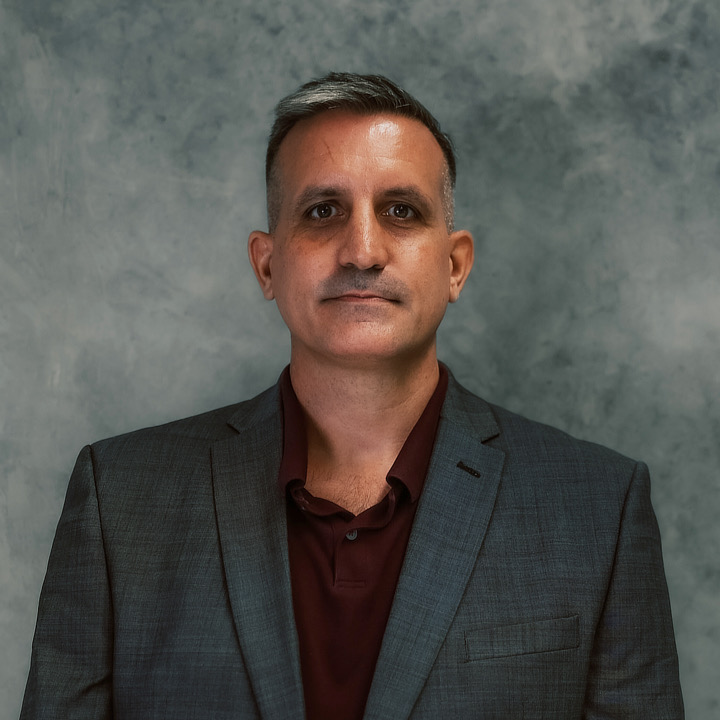
Blake Thompson is CEO and co-founder of Xrecruiter, which helps recruiters launch and run their own agencies across Australia, the US and Canada. Xrecruiter won the Startup category at the 2023 Brisbane Young Entrepreneur of the Year Awards.

Blake started his first recruitment agency, Vendito, a year and a half into his recruitment career with no management experience. He hired more than ten people in the first twelve months and made what he describes as a lot of mistakes along the way.

Xrecruiter was born out of that experience. Rather than running an online course on how to start a recruitment agency, he decided to help recruiters do the thing itself. The company now registers entities, builds websites, handles tech, accounting and advisory for every partner, and runs on a model where recruiters keep the vast majority of their gross profit while outsourcing everything they do not want to do.
Connect With Blake

You Ask, We Answer

Frequently Asked Questions

Not everyone should start their own business.

Running a company requires high tolerance for risk, long periods without stable income, and the discipline to operate without external accountability. Research suggests roughly 20% of new small businesses close in their first year and about half close within five years.

Before leaving a stable job, assess your risk tolerance, your runway, and whether you have the self-discipline to work without supervision.

Most financial advisers recommend 3-12 months of personal living expenses in savings before leaving a job to start a business. The exact figure depends on the length of your sales cycle. If your industry has a 12-month sales cycle from first contact to signed deal, plan for twelve months of runway. For businesses with faster cash cycles, three to six months is often enough. Cutting discretionary spending early extends the runway without changing the savings target.

A business is an asset that can run without the owner and holds resale value. A high-paying job inside a company structure requires the owner’s daily presence to generate income and has no transferable value. Both are legitimate outcomes. Owners who want to sell one day need to build systems, hire staff, and remove themselves from daily operations. Owners who want freedom and higher income can stay solo and run the company as a vehicle for personal earnings.

Small businesses fail for several measurable reasons. The most common include cash flow problems, poor financial planning for tax, founder ego preventing the owner from seeking advice, and a lack of systems to maintain discipline during slow periods. The Australian Bureau of Statistics reports that about 60 percent of small businesses stop operating within three years. Founders who treat setbacks as learning events and keep seeking outside input tend to survive longer than those who assume they already know enough.

Solo business owners stay disciplined by setting daily non-negotiable activities, tracking leading indicators like outbound calls or sales conversations, and creating external accountability with a mentor, peer group, or coach. Discipline tends to erode slowly. One missed call becomes two, then five, then a full day. Reviewing the metric at the end of each day prevents gradual drift. The “would you hire yourself” test is useful. If the honest answer is no, performance needs to lift.

The biggest mistake first-year founders make is assuming they will succeed quickly because they succeeded as employees. Working in a structured environment with a boss, targets, and process is different from building the structure yourself. Other common year-one mistakes include underestimating tax obligations, buying luxury items too soon after a big win, and refusing advice from people perceived as less experienced. The highest performers in any field are consistently the most open to learning.

Prepare for a downturn during the good times by building six to twelve months of operating reserves, documenting repeatable processes so the business runs without constant founder input, and diversifying revenue streams so no single client represents more than 20 percent of total income. Downturns always arrive. Businesses that prepare in advance maintain operations with fewer emergency decisions. Those that scale expenses in line with record months tend to struggle when revenue returns to average.

Analysis paralysis is the state of overthinking a decision to the point of inaction. It commonly affects new founders who delay cold calls until the logo is perfect, the business cards are printed, and the website is finished. These activities feel productive but generate no revenue. The fix is to identify the one or two activities that directly produce income (usually sales conversations) and complete those first every day before touching anything else.

Set aside roughly 25-30 percent of every invoice into a separate account from day one. First-year founders are often shocked by quarterly BAS payments and annual tax bills because they treat gross revenue as personal income. Working with a bookkeeper or accountant within the first three months of trading, forecasting tax obligations quarterly, and never dipping into the tax account for operating expenses are the three habits that prevent tax surprises.

Boderia designs and operates sovereign revenue systems for scaling B2B companies. The system unifies growth, operations, automation, and AI into a single governed platform. Rather than running fragmented tools and disconnected teams, clients get one platform where every input is visible, every handoff is tracked, and every part of the business feeds into the same source of truth. The Leadership and Governance pillar is where the founder discipline question sits, and it is where most sovereign revenue systems begin.

Related Articles

Continue reading with more articles on this topic.

Cookie Notice

This website uses cookies to ensure you get the best experience on our website.
Privacy Policy