





Podcast

Why Most Senior Hires Fail In Founder-Led Businesses | ft. Daniel Moussa

Chloe sits down with Daniel Moussa, founder of Third Way Advisory, on the specific framework he applies before every executive search, and why the role itself is almost always what gets set up wrong.

The cost of a wrong senior hire sits between three and five times the person's annual salary, once wage cost, recruitment cost, lost productivity, and replacement cost are factored in. For an executive, that is often more than a million dollars. Yet most founders still rush the hire itself and skip the foundation work that would have prevented the problem.

Why This Keeps Happening

Because founders are reactive about hiring. A major project lands, a key person resigns, revenue starts outstripping capacity, and the response is to fill the seat as quickly as possible. The role itself rarely gets set up for success before the search begins.

Daniel's framework is drawn from high-performance sport. Preseason preparation. Full alignment across the organisation on what success actually looks like. Leaving no stone unturned in the search. Most founders skip all three.

They write a job description, post it on SEEK and LinkedIn, interview whoever applies, and hope the shortlist contains the right person. The best senior candidates are almost never in that pool. They are placed through targeted outreach from a search partner who has already mapped the market.

What Chloe And Dan Cover In This Episode

Chloe Buntin sits down with Daniel Moussa, founder of Third Way Advisory, to walk through the specific framework he applies before every executive search. They cover the three-stage preseason preparation, why culture and workplace personality assessment matters more than most founders realise, how to use marketing inside your hiring process to actually attract senior talent, when to hire interim or fractional versus full-time, and how to build the feedback culture that stops senior hires from quietly disengaging. The conversation sits inside the broader sovereign revenue system framework that Boderia uses to help clients scale sustainably.

In This Episode, You'll Learn:

  • The real financial cost of a wrong senior hire, including the hidden costs most founders never calculate
  • The three-stage preseason framework Dan applies before any executive search
  • Why culture and workplace personality assessment matters more than skill match in senior hires
  • How to use marketing inside your hiring process to attract senior talent that is not actively looking
  • When to hire interim or fractional versus full-time, and the signals that tell you which option fits

About Daniel Moussa

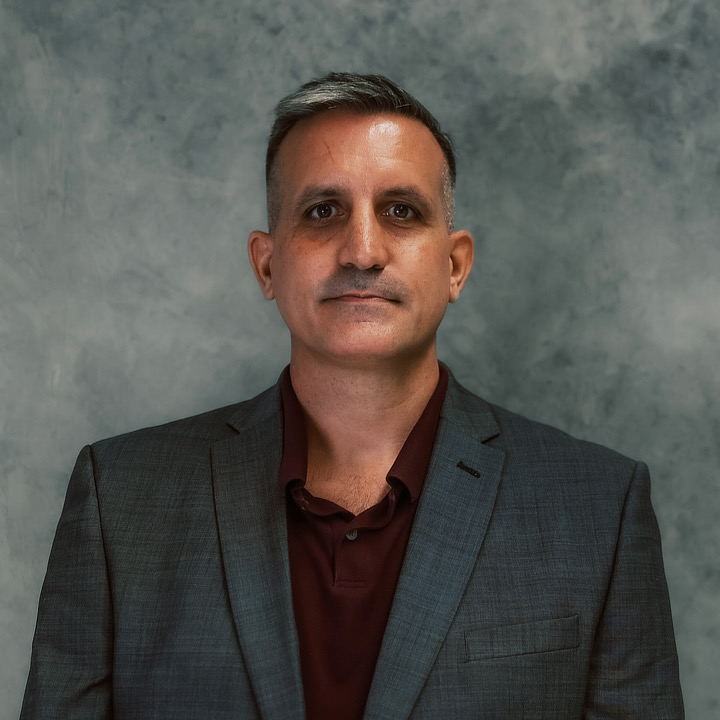
Dan Moussa founded Third Way Advisory to work exclusively with founder-led businesses on their most important leadership hires. His methodology draws directly from high-performance sport, applying preseason preparation, full stakeholder alignment, and no-stone-unturned candidate search to every executive search.

Before building his current firm, Dan spent two decades in executive search across the Middle East, Asia, and Australia, including leading recruitment on a Saudi Arabian Public Investment Fund mega project. In Brisbane he co-founded Teleska with his business partner Kev before stepping out to start Third Way. His own podcast, The Founders Fire, focuses on the untold stories of founders that most business media skips over.

Connect With Daniel

You Ask, We Answer

Frequently Asked Questions

Research puts the cost between 3-5 times the person's annual salary, factoring in wage cost, recruitment cost, lost productivity, and replacement cost. For executive-level hires, the Harvard Business Review and Gartner estimates go higher, into ten to fifteen times salary when severance, team morale, and strategic momentum are included. For a $250,000 executive, that puts the all-in cost of a wrong hire between $750,000 and $3.75 million.

Because the role itself was never set up for success before the search started. Daniel's observation is that if a founder has tried to hire the same role two or three times and it hasn't worked, the problem is almost always the setup, not the candidates. The role was unclear, the alignment internally was off, or the culture match was never properly assessed. All of which could have been diagnosed in the preseason phase before the first interview.

Define the business strategy for the next three years before thinking about the hire. Clarity on the strategic direction tells you what skillset the business actually needs, which is often different from what it feels like it needs today. Then define what success looks like in that role at six, twelve, and eighteen months. If you cannot articulate success clearly, you are setting the candidate up to fail from day one.

Six months is realistic for most executive-level hires. The notice period alone is often three months. The scoping, preseason preparation, candidate sourcing, and interview process adds another three. Compressing that timeline usually means skipping foundation work, which is exactly what causes most senior hires to fail. Founders who need to hire in six months should start the process now.

A recruitment agency works from a volume model, running many jobs at once and prioritising the ones most likely to pay quickly. Headhunters and executive search firms work from a targeted model, taking on a limited number of searches at a time and mapping the entire market for each role. The difference matters most for senior hires, where the right candidate is almost never actively looking for a job.

Depends on the business stage and cash position. Interim and fractional work well when the business needs senior expertise but does not have the budget or the sustained workload for a full-time hire. Common fits include fractional CFO, interim COO, and fractional CMO work. Full-time becomes the right choice when the role is permanent, the business can afford it, and the person needs full ownership of the function.

Through marketing, not job ads. The best senior candidates are already employed and are not scrolling SEEK. They move for people and for clear alignment with where a business is going. Daniel's approach is to film a five-minute video with the founder explaining why the business exists, what the next three years look like, and why this role matters. That video does more to attract senior talent than any job description.

Feedback cycles at least monthly, ideally woven into the daily operating rhythm of the business. The sport analogy applies. Athletes receive feedback multiple times per day and are built to use it. Most business leaders receive feedback quarterly or annually and have never been trained to give or receive it well. Senior hires who are not getting regular feedback almost always disengage within the first eighteen months.

Because the business was built around the founder's capacity, decisions, and relationships. Growing past that ceiling requires the founder to let go of parts of the business, trust specialists to do them better, and build the systems that make delegation safe.

Daniel's observation is that founders who cannot step out of the day-to-day are not actually running a business. They are self-employed with a team.

Boderia designs and operates sovereign revenue systems for scaling B2B companies - unifying growth, operations, automation, and AI into a single governed system.

Instead of stitching together disconnected tools or hiring separate agencies for each function, clients get one platform that identifies where growth is actually leaking and rebuilds the infrastructure underneath so the same problem doesn't return.

Related Articles

Continue reading with more articles on this topic.

Cookie Notice

This website uses cookies to ensure you get the best experience on our website.
Privacy Policy