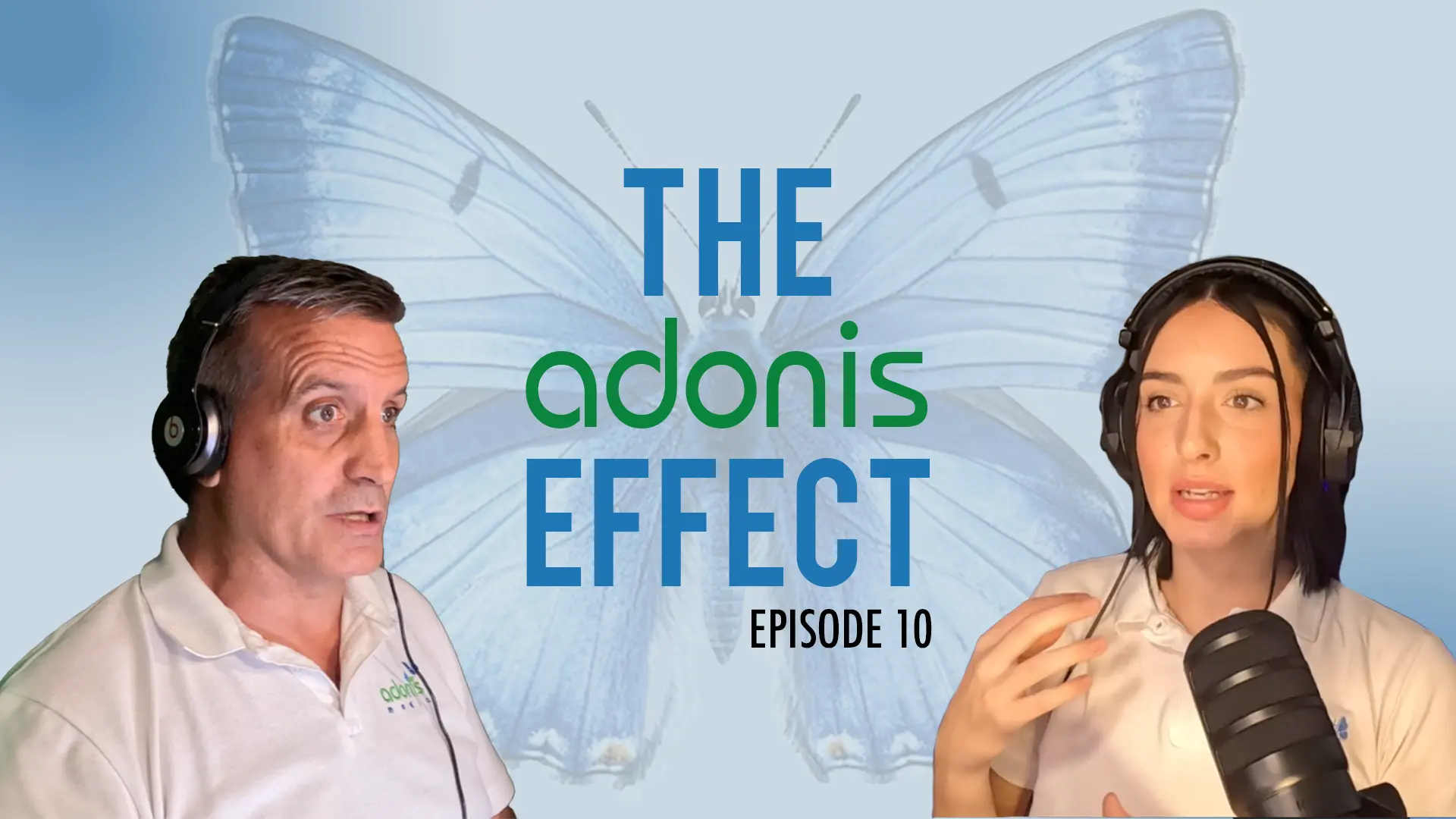



How a $100M Real Estate Empire Built an AI Workforce in Months

Inside how Giselle Kramer and NGU Real Estate rebuilt their operations around named AI agents - what they cost, where they fail, and why most agencies are still missing the playbook entirely.

Most non-tech business owners are still debating whether AI applies to them. The agencies and operators quietly winning right now already decided. They're not running tech companies. They're running real estate firms, accountancies, construction businesses - industries where AI adoption is supposedly the last frontier, and where the operators who moved first are now compounding ahead of their competition by the quarter.

Giselle Kramer and the team at NGU Real Estate run a $100M operation across the Brisbane network. Eight months ago they didn't have a single AI agent in their stack. Today their AI workforce has names - Bentley and George - and runs alongside human staff inside the daily operations of the business. Cost per "team member" runs at less than $60,000 a year, less than the salary of an entry-level hire. They expect the figure to keep falling as the technology matures.

In this episode, Giselle breaks down exactly how the rollout happened, why naming the bots and training them like staff was the unlock most agencies miss, how they handled security in an industry that's a prime hacker target, where AI still hallucinates and why operator oversight is non-negotiable, and what every business owner outside tech needs to understand about the AI workforce playbook before their competitors get there first.

In This Episode, You'll Learn:

  • How NGU treats AI agents like hires - and why naming, training, and daily conversation was the unlock.
  • The real cost of an AI workforce: under $60K per "team member," falling every quarter.
  • How to reverse-engineer an AI rollout from the end product, not the technology.
  • The security protocols every business owner needs before deploying AI - especially in target industries.
  • Why AI still hallucinates, where humans still win, and how to keep your operators in the loop.
Listen to The Adonis Effect on SpotifyListen to The Adonis Effect on Apple PodcastsWatch The Adonis Effect on YouTube

About Giselle Kramer

Giselle Kramer is a leader at NGU Real Estate, one of Brisbane's largest real estate networks with more than $100 million in annual activity across the group.

She has spent the last several years driving operational transformation across the agency, including the rollout of one of the most ambitious AI workforces deployed inside an Australian real estate business. Under her direction, NGU has integrated named AI agents into daily operations - handling admin, transaction support, communications, and process workflows alongside human staff - while maintaining the security protocols required of a high-target industry.

Today Giselle is one of the most outspoken voices in Australian real estate on practical AI adoption - specifically on how non-tech operators can deploy AI without losing their teams, their security posture, or their judgment in the process.

Connect With Giselle

You Ask, We Answer

Frequently Asked Questions

How Are Real Estate Agencies Using AI In 2026?

Leading agencies are deploying AI as a workforce, not a tool. AI agents handle admin, communications, listing prep, transaction coordination, and process workflows - running alongside human staff. The agencies winning are treating bots like hires: named, trained, and held to performance standards. The dabblers aren't seeing results.

How Much Does It Cost To Implement AI Agents In A Business?

A trained AI agent runs at under $60,000 a year - less than an entry-level salary. The figure includes setup, ongoing training, and integration. Most businesses recover the cost within months through admin time saved. Pricing has fallen sharply over the last twelve months and continues to compress as adoption grows.

Can AI Replace Real Estate Agents?

No. AI replaces the admin layer agents spend most of their time on - listings, follow-ups, document prep, transaction coordination. It cannot replace the relationship work that closes deals: trust, judgement, presence in the room. The agencies winning use AI to free agents for the high-trust work clients pay for.

How Do You Train An AI Agent For Business?

Treat the AI like a new hire. Map the end product you want before rollout, then reverse-engineer the training. Talk to it daily. Correct mistakes in real time. Build feedback loops into its workflow. AI agents trained for weeks like staff outperform tools left to figure things out alone.

What Are The Security Risks Of Using AI In Real Estate?

Real estate is a prime hacker target - settlement transfers and high-value transactions attract sophisticated scammers, including AI-impersonation of founders requesting fund transfers. Any AI rollout needs security baked in from day one: access controls, audit trails, two-factor approvals on sensitive actions, and operator oversight on every AI-generated output.

What Tasks Can AI Handle In A Real Estate Business?

AI handles the high-volume, repeatable work: listing descriptions, social posts, follow-up emails, transaction document prep, scheduling, CRM updates, internal reporting. Anything where a computer is producing structured output. The strategic, relational, and judgement-heavy work stays with humans - that's where the margin is anyway.

How Do You Stop AI Agents From Hallucinating?

You don't - they still hallucinate. The solution is operator oversight, not blind trust. Every AI output gets reviewed before it's sent to a client. Senior staff sign off on anything high-stakes. The agencies that got burned outsourced their judgement to the tool. The ones winning use AI to multiply theirs.

Is AI Worth The Investment For Small Real Estate Agencies?

Yes - and the smaller the agency, the bigger the relative gain. Small teams gain the most from offloading admin to AI because they don't have the staff to absorb it otherwise. The investment threshold has dropped sharply: an AI workforce now costs less than hiring a junior agent and runs 24/7.

How Long Does It Take To Implement AI Agents In A Business?

Eight to twelve weeks for a meaningful rollout if the founder is genuinely committed. The first agent takes the longest because you're learning the playbook. Agents two and three deploy in days. The mistake most businesses make is treating it as a project rather than a hiring decision - that's why they stall.

Will My Team Resist AI Adoption?

Usually yes - and the resistance is rational. Most team members hear "AI" and assume their job is on the line. The agencies that succeed introduce AI as a teammate, not a replacement. Show real examples that save your senior people hours. Give early access. Watch productivity move. The persuasion happens by itself.

Related Articles

Continue reading with more articles on this topic.

This website uses cookies to ensure you get the best experience on our website.
Privacy Policy