


How to Recover Like an Elite Athlete (Even as a CEO)

We break down why most high performers collapse before they reach what they were building toward - and the recovery science elite athletes, touring artists, and Formula 1 drivers know that almost no founder applies.

Most business owners think performance is about working harder. It isn't. The founders who sustain decade-long careers without burning out understand something most don't - output is what you produce when you push, but performance is what you produce when you're operating at your actual capacity. The two are not the same thing. And the cost of confusing them is paid quietly, in lost decisions, lost relationships, and lost years.

Elite athletes, touring musicians, and Formula 1 drivers all share one understanding that most founders are still missing. Recovery is not the opposite of performance. It is the precondition for it. You cannot perform at the top of your range when you're operating at the limits of your nervous system. Sustainable high performance is built on sleep, recovery, stress regulation, and physiological inputs that compound over years - not on the willpower that runs out by Wednesday.

In this episode of The Adonis Effect, Meghan Jarvis joins us to unpack what she's learned across more than two decades of working with the highest-performing people in the country. We break down what burnout actually looks like, why most performance advice doesn't work for women, and what every founder can do this week to build a more sustainable life around their business.

In This Episode, You'll Learn:

  • Why building a brand without paid ads forces you to create something people genuinely want to be part of - and how that compounds in ways paid advertising never can.
  • Why high performers collapse, and why most warning signs are missed until it's too late.
  • The difference between output and performance, and how most founders confuse the two.
  • What elite athletes, touring artists, and Formula 1 drivers understand about recovery that almost no founder applies.
  • Why most performance science was built for men, and the real cost for female founders following the wrong protocols.
  • The practical recovery and performance principles every leader can apply this week to build a more sustainable routine.
Listen to The Adonis Effect on SpotifyListen to The Adonis Effect on Apple PodcastsWatch The Adonis Effect on YouTube

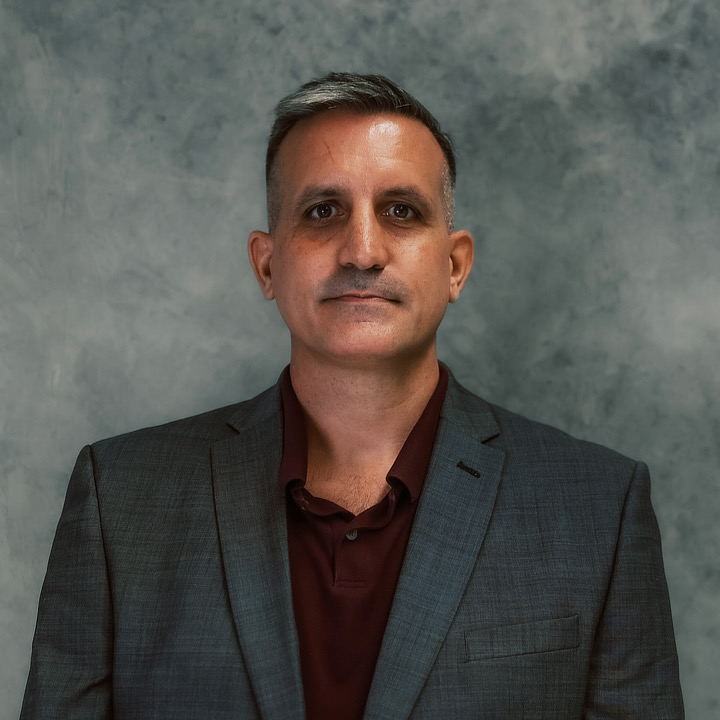
About Meghan Jarvis

Meghan Jarvis is the Founder of WellCorp and Wellness Director at Hemisphere Medical - one of Australia's most respected performance and recovery practices.

Across more than two decades, she has worked with some of the most demanding high performers in the world, including touring artists like Kylie Minogue, Luke Combs, and Pearl Jam, alongside professional athletes and elite sporting organisations at events including the Australian Open and Formula 1.

Today she splits her time between WellCorp - where she works with founders, CEOs, and corporate leaders on sustainable performance - and her broader work as one of the country's leading voices on recovery science, women's health, and the hidden cost of high-performance living.


Connect With Meghan

You Ask, We Answer

Frequently Asked Questions

How Do You Prevent Burnout As A Founder?

Treat recovery as strategic infrastructure, not a reward. Protect sleep, schedule recovery into your week, regulate stress before it escalates, and audit your physical and mental signals weekly. Founders who avoid burnout structure their work around their actual capacity, not their ambition for it. The cost of running on the wrong protocol compounds for years before it shows.

What Are The Signs Of Burnout?

The early signs of burnout look like normal high-performer behaviour, which is why most leaders miss them. They include persistent low-grade anxiety, decreased patience, decisions that feel right now but wrong by morning, loss of creativity, and a quiet sense you're performing the role of yourself. None look dramatic. That's the problem.

What Is High Performance In Business?

High performance is what a leader produces when operating at their actual capacity - physically, cognitively, and emotionally. It's different to output, which is what they produce when pushing past it. The two look similar on the surface. The decisions, judgment, and leadership underneath them are not the same thing.

Why Is Sleep Important For Business Performance?

Sleep controls memory, mood regulation, decision-making, hormonal balance, immune function, and stress recovery. Founders running on five or six hours don't notice their capacity has dropped, only the lower-quality decisions, slower thinking, and shorter temper that follow. Sleep is not recovery from work. It is what makes high-quality decisions possible.

How Does Stress Affect Business Decisions?

Chronic stress narrows attention, increases reactivity, and pushes the brain toward short-term thinking, the opposite of what leaders need to lead well. Under sustained stress, decisions feel right in the moment but cause damage later. Managing stress isn't a soft skill. It is a strategic competency. The clearest-thinking leaders are the most regulated, not the most stressed.

Do Female Founders Burn Out Differently?

Yes. Most performance and recovery science was originally built on male physiology. Hormonal cycles, recovery patterns, stress thresholds, and energy curves operate differently for women. The advice that works for a male founder is rarely the right advice for a female founder following the same protocol. Women need recovery strategies designed for their physiology.

What Are The Best Recovery Practices For Leaders?

The best recovery practices are the unglamorous ones - consistent sleep, regular movement, mental decompression, real meals, hydration, and protected time away from screens and decisions. Fancier practices like ice baths only work on top of the basics. Recovery is built on boring fundamentals applied daily, not occasional shortcuts.

What Is A Sustainable Founder Routine?

A sustainable founder routine has four foundations: protected sleep, deliberate recovery, regulated stress, and physical training. It is built around the founder's actual capacity, not their ambitions. It absorbs the variance of real life rather than collapsing under it. The leaders who sustain performance for a decade have the most repeatable routines, not the most aggressive ones.

What Should Leaders Do When Burning Out?

When a leader senses they are burning out, the first move is to stop performing the role of being fine. Burnout deepens in silence. Talk to someone - a doctor, therapist, coach, or trusted peer. Restore sleep before anything else. Reduce input load. Audit what is draining you and remove what you can. Treat the warning signs as data, not weakness.

How Do You Recover From Burnout As A Founder?

Recovery from burnout starts with restoring sleep, reducing input load, and treating the warning signs as data rather than weakness. The principles elite performers use translate directly to founders - structured rest, regulated stress, deliberate decompression. Most founders recover faster when they stop trying to fix everything at once and protect one thing non-negotiably, usually sleep. Recovery is not linear, but it is repeatable.

Related Articles

Continue reading with more articles on this topic.

This website uses cookies to ensure you get the best experience on our website.
Privacy Policy