


How to Build a Brand From Zero Without Spending a Dollar on Ads

We break down how Nick built one of Australia's fastest-growing cultural brands to over 30K followers without spending a single dollar on advertising - and the exact mindset, tactics, and systems any founder can use to do the same.

Most founders waste years trying to buy attention when the brands actually breaking through are doing something fundamentally different. They are building something so culturally specific that people choose to be part of it - and then those people tell their friends, who tell their friends, and the whole thing compounds in a way that no paid campaign can replicate.

In May 2025, Nicholas Stallard and his brother Cameron co-founded AM Social with no advertising, no agency, and no playbook. They printed QR codes onto stickers, walked Brisbane at night sticking them on lampposts, and even put fake parking tickets on car windscreens - each one a link to their first "coffee party" at 7am on a Saturday out of a tiny cafe in Albion. Twelve months later, AM Social has grown to over 30,000 followers across platforms, a national tour with international DJs, and a cultural category they have trademarked into existence - Morning Culture™.

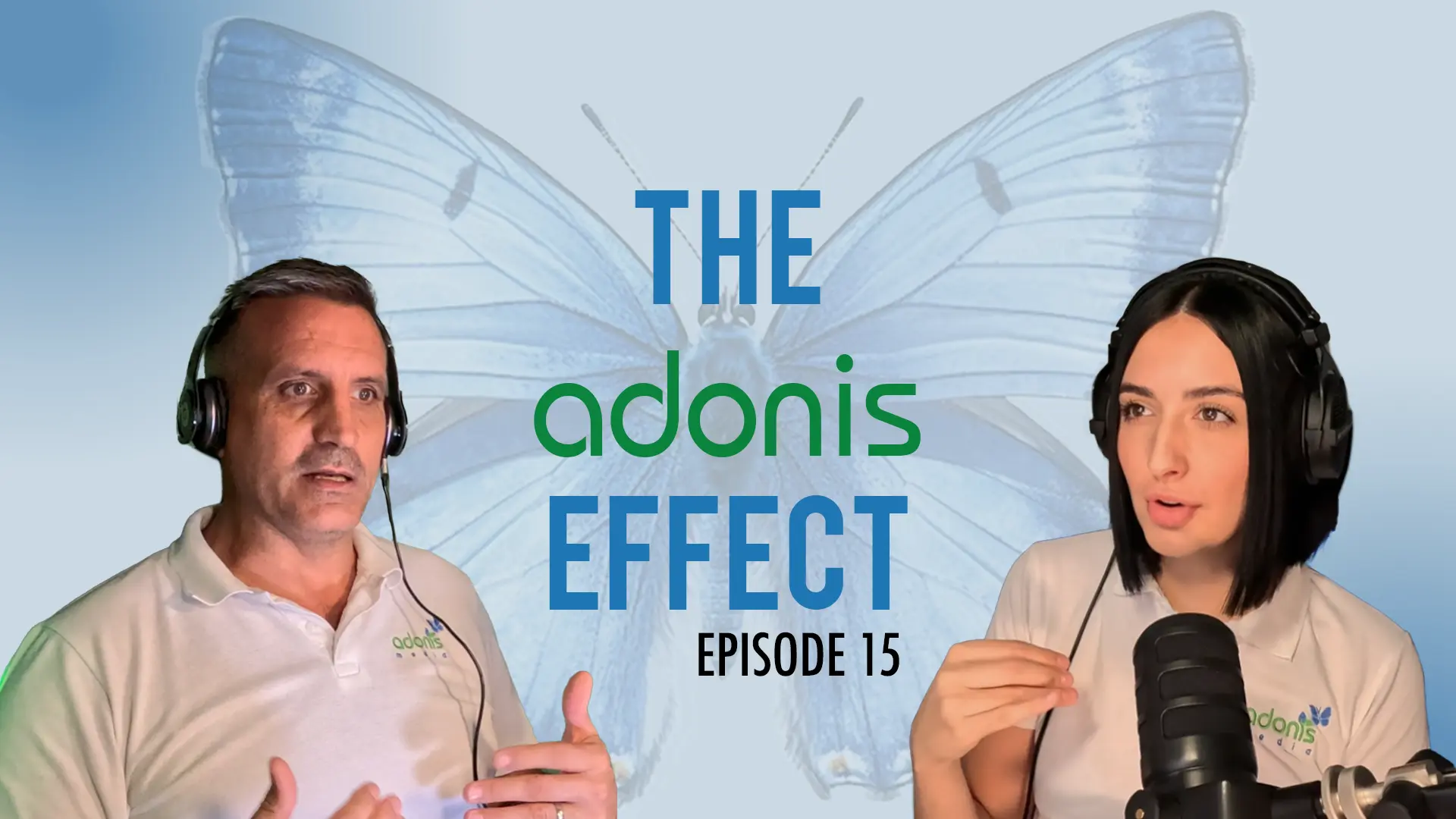
In this episode of The Adonis Effect, Nicholas joins us to unpack exactly how they did it - the mindset, the old-school tactics, the AI tools, the brand partnerships, and the hard truths about building a business with your brother, on no sleep, and with your own money on the line.

In This Episode, You'll Learn:

  • Why building a brand without paid ads forces you to create something people genuinely want to be part of - and how that compounds in ways paid advertising never can.
  • How AM Social grew to over 30,000 followers in 12 months using only organic content, obsessive documentation, and Instagram trial reels.
  • Why old-school physical marketing tactics still outperform digital ads in markets saturated with attention-grabbing noise.
  • How AI tools like Claude let small founder-led teams operate at the speed of companies five times their size.
  • Why the founders who build the strongest brands are the ones willing to start before they're ready, document everything, and trust the work.
Listen to The Adonis Effect on SpotifyListen to The Adonis Effect on Apple PodcastsWatch The Adonis Effect on YouTube

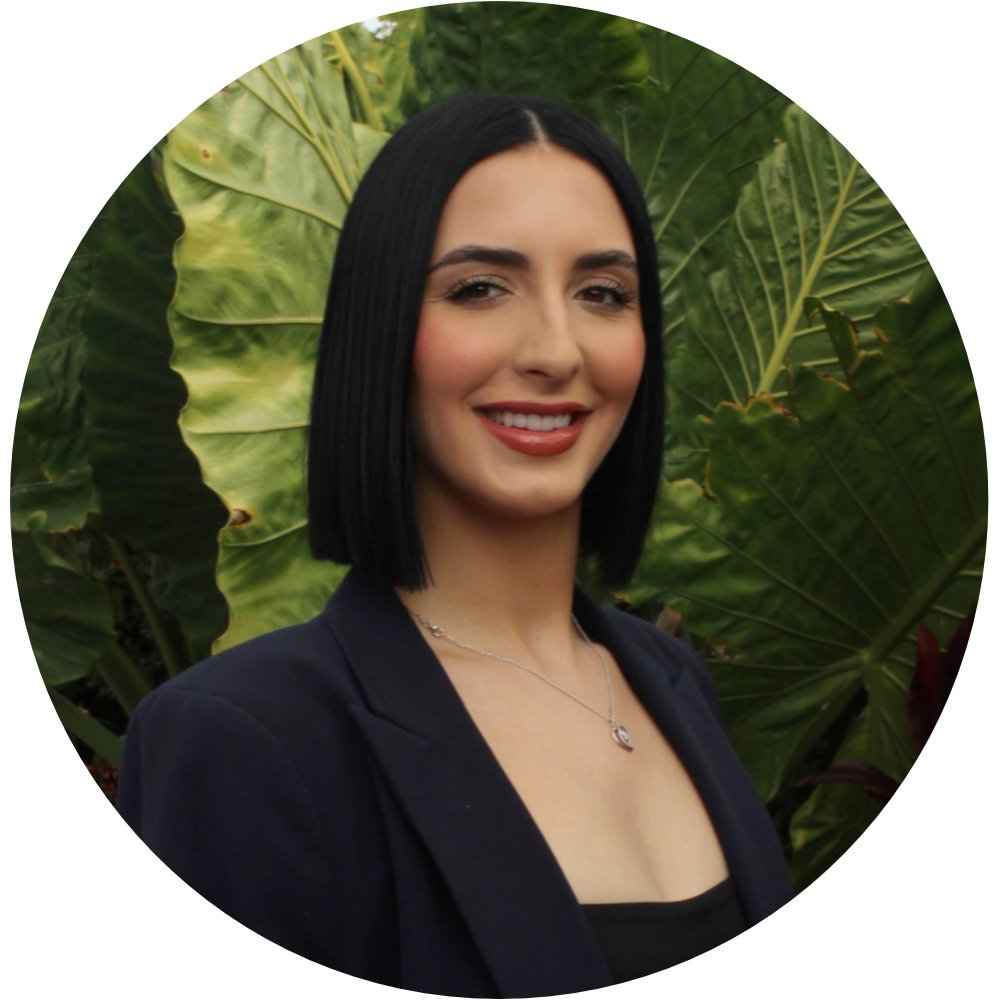
About Nicholas Stallard

Nicholas Stallard and his brother Cameron co-founded AM Social and ran their first event out of Fonzie Abbott in Albion - a coffee rave at 7am on a Saturday. On paper, it shouldn't have worked. By the third event, it was selling out.

Today he's Co-Founder and Content Director of AM Social, plus Co-Founder of sister brands PM Social and AMPED Entertainment Group - building real businesses on how a generation is rewriting connection, culture, and what a weekend is supposed to look like.
Connect With Nick

You Ask, We Answer

Frequently Asked Questions

How Do You Build A Brand From Scratch Without Money?

The trick to building a brand without money is forcing yourself to make something genuinely worth talking about.

When you can't buy attention, you have to earn it - and that constraint becomes a creative advantage. Focus on one extremely specific audience, give them something they can't get anywhere else, and document the entire process publicly.

Show up consistently in one physical or digital space rather than spreading thin across platforms. The brands that scale without ad spend share one trait: they treat early growth as a culture problem, not a marketing problem.

What Is Community-Led Marketing And How Does It Work?

Community-led marketing is the practice of growing a brand by investing in the people who already love it - rather than spending to reach the people who don't yet care. It works because the trust gap in traditional advertising has collapsed.

Audiences are saturated, attention is fragmented, and brand claims are filtered out. But a friend telling you about something they were genuinely part of still cuts through.

Community-led brands grow because their existing audience does the marketing for them through word of mouth, social sharing, and in-person advocacy. The result is a brand that compounds over time instead of one that empties the moment the budget runs out.

How Do You Grow A Brand On Social Media Without Paid Ads?

You grow on social media without paid ads by treating every moment as content and every piece of content as a media asset.

Post obsessively from day one - even when nothing looks impressive yet. Document the awkward, half-empty early days alongside the wins, because raw authenticity outperforms polished content in 2026. Lean into Instagram trial reels, which let you test content with non-followers without spamming your audience.

A single well-made reel with a strong hook can deliver more growth in three days than three months of consistent posting. The brands that grow without ad spend are the ones willing to document publicly through the early stages, when growth feels invisible, and trust the consistency.

What Are The Best Marketing Strategies For New Brands?

The best marketing strategies for new brands are usually the ones that feel slightly weird - because that's exactly what cuts through the noise.

Combine guerrilla physical activations (sticker campaigns, surprise drops, public stunts) with obsessive content documentation, deep focus on a single channel, and physical brand experiences that people can't get from a screen. Skip the temptation to be on every platform at once. Pick one channel, build genuine momentum there, then expand. The strongest early-stage marketing strategy is rarely a campaign - it's a relentless commitment to making something so culturally specific that people start sharing it on your behalf.

How Do You Use Guerrilla Marketing To Promote A Business?

Guerrilla marketing works by using creativity and surprise to capture attention in places traditional advertising can't reach.

The principle is simple: do something people don't expect, in a place they don't expect it, with a message they'll remember. Effective tactics include sticker drops in unexpected urban locations, faux objects with embedded calls to action (fake parking tickets, mock business cards left in cafes, oversized props placed where they'll be photographed), and provocative DMs or text messages designed to make recipients screenshot and share.

Guerrilla marketing scales because it bypasses the ad-blocking, scroll-fatigued behaviour that makes paid digital ads increasingly ineffective. It requires creativity rather than budget - which is exactly why it works for new brands.

What Are The Best AI Tools For Small Business Owners?

The best AI tools for small business owners right now sit across three categories: content and operations (Claude for writing, code, data cleaning, SEO audits, and strategic thinking), visual creation (Higgsfield for AI-generated images and video, plus tools like Midjourney for static creative), and integrated build environments (Claude paired with GitHub and VS Code lets non-developers build functional websites and apps in hours). Tasks that would take a traditional small business a full day - data cleaning, content drafting, basic web development - can now be completed in seconds.

The competitive advantage isn't access to AI; it's fluency in using it. The small business owners who build AI into their daily workflow are operating at a fundamentally different speed to those who haven't.

How Do You Get Brand Partnerships And Sponsorships?

You get brand partnerships by building something a brand can't manufacture on its own - cultural relevance, an engaged audience, or a unique experience that aligns with what the brand wants to be associated with.

The mistake most people make is pitching with audience metrics alone. The brands you want as partners care less about your follower count and more about whether their presence inside your brand will feel native and valuable.

Lead with physical activation ideas - what could the brand actually do at your event, in your content, or with your community? Tangible, memorable activations compound for both sides. People remember what they touched, not what they scrolled past.

How Do You Build A Loyal Community Around A Brand?

You build a loyal community by making the brand about the people in it, not the people behind it. Communities form around shared identity and shared experience, which means you need consistent, repeatable touchpoints where your audience can gather - whether that's in-person events, online spaces, or content that creates conversation.

The other essential ingredient is generosity. The strongest community brands are willing to absorb early losses, invest beyond the budget, and prioritise the experience over short-term profitability. Loyalty follows generosity, not the other way around. The brands that try to monetise their community before earning it tend to lose both.

How Do You Know When To Start A Business?

You don't. There is no such thing as ready. The founders who build the strongest businesses are the ones who start before they feel prepared, learn through the launching process itself, and adjust as they go.

Most of the information you think you need to gather before launching is actually only available after you launch - through real customer feedback, real market response, and the hundred small problems you couldn't have anticipated.

The lesson is simple: every day spent planning is a day someone else is shipping. If you're waiting for the moment when you'll feel certain about starting, the moment never arrives - because certainty is built through action, not anticipation.

What Are The Biggest Mistakes People Make When Starting A Brand?

The biggest mistakes new brand builders make are waiting too long to launch, doing it for the wrong reasons (money, status, or external validation), and trying to imitate what's already working instead of building something genuinely new.

Brands that try to mimic existing categories tend to live in the shadow of the original. Brands that create new categories become the original. The other recurring mistake is treating the early stages as a marketing problem when it's actually a culture problem. You can't market your way out of building something nobody wants to belong to. Get the culture right first, build a community around it, and the marketing becomes the easy part.

Related Articles

Continue reading with more articles on this topic.

This website uses cookies to ensure you get the best experience on our website.
Privacy Policy